Open Day on the 9th of March
from 10:00 to 14:00
Register
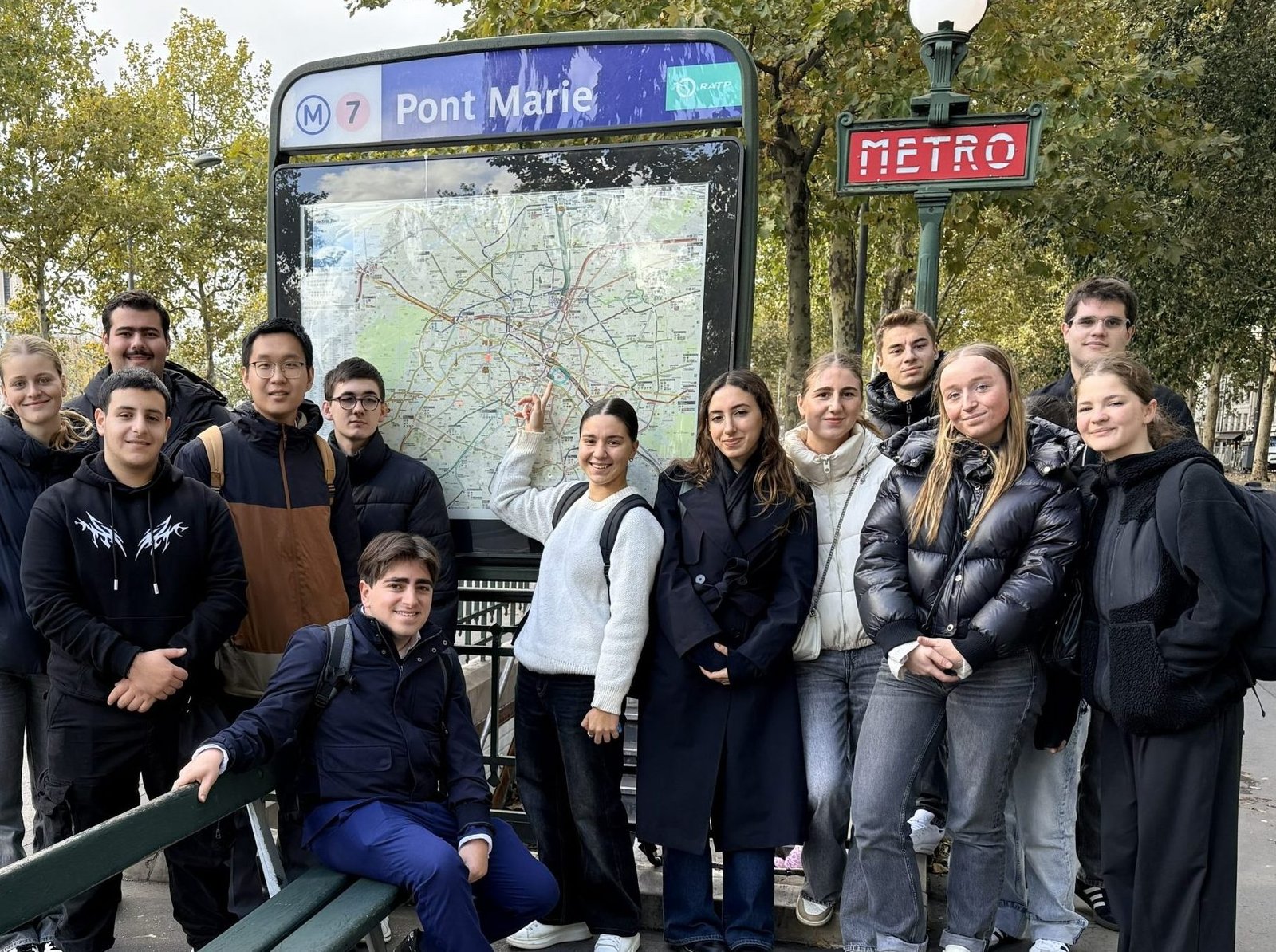
The entrepreneurial journey often begins with a precise assessment, allowing one to
confirm the course and identify the best paths to follow. For first-year Bachelor
students at Ferrières, this approach took shape through a cultural and gastronomic
exploration in the very heart of Paris.
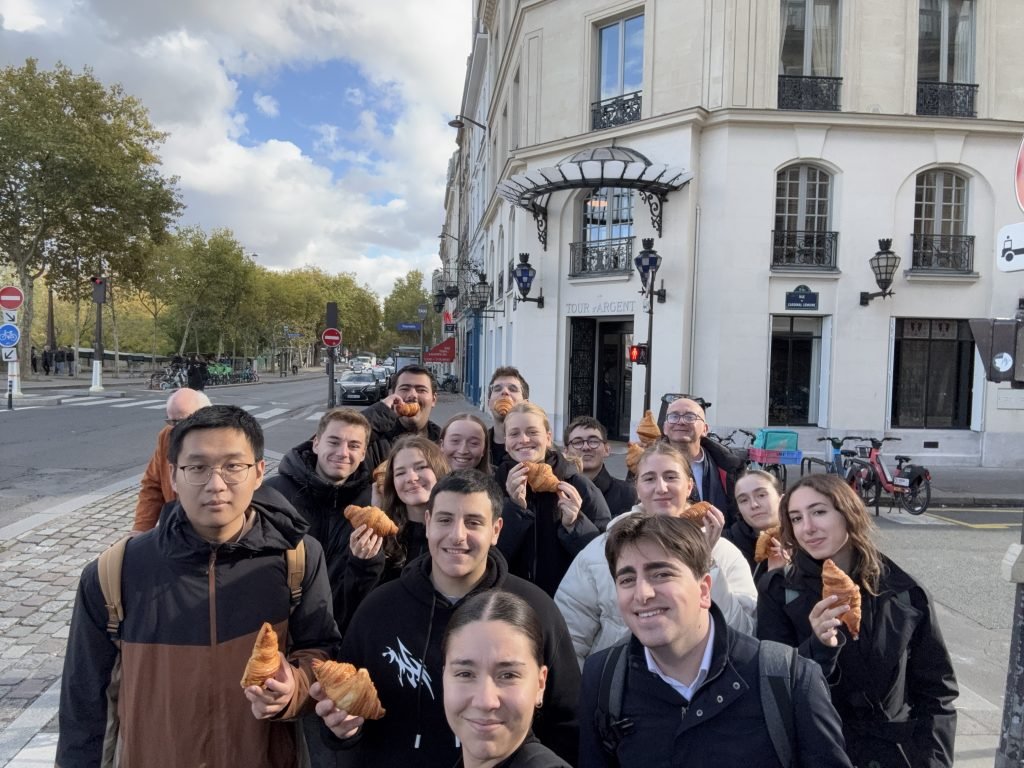
An Immersion into Parisian Gastronomy
As part of the Introduction to Gastronomic Culture module, new students walked nine
kilometres across nine Parisian districts, discovering the origins and evolution of the
international gastronomic scene. This exploration allowed them to follow in the
footsteps of their illustrious predecessors and to soak up the atmosphere of the City of
Light—an eternal source of inspiration for modern metropolises that proudly claim its
title of “World Capital of Gastronomy.”
From Tradition to Innovation
From Lutetia and its wine port to contemporary fusion food, from the ancient tavern to
“fast-good” concepts, students explored the richness of tradition while observing the
hybridisation and innovation that shape the food of today and tomorrow. This field
experience enabled them to understand, firsthand, the cultural, economic,
technological and psychosociological factors influencing eating habits and dining
codes. These future professionals became aware of the challenges and opportunities
involved in creating dining concepts suited to modern expectations.
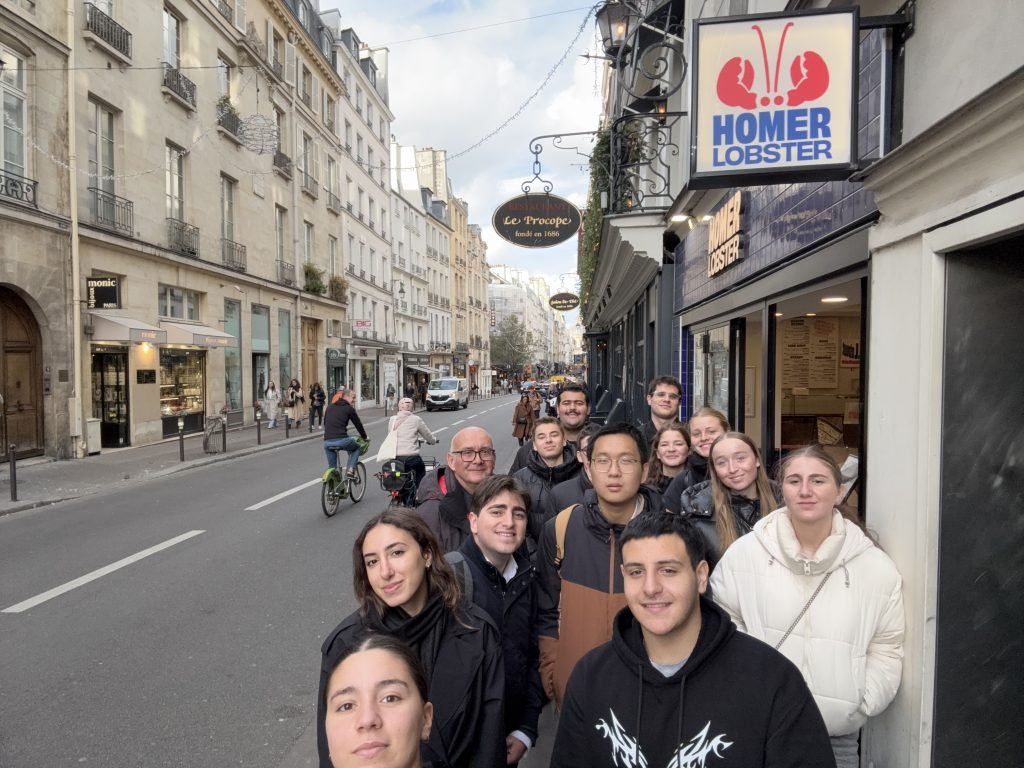
Culture and Gastronomy: An Inseparable Duo
The experience also invited reflection on the inseparable relationship between culture
and gastronomy. Echoing Brillat-Savarin’s famous words, “Animals feed, men eat, but
only men of intellect know how to eat,” the students gained a deeper appreciation of
gastronomy as both a social and cultural practice. The discovery of the “Gastronomic
Meal of the French”—listed by UNESCO as Intangible Cultural Heritage of Humanity—
highlighted the diplomatic and identity dimensions of French gastronomy.
Learning to Adapt and Create
Guided by Jean-Luc Frusetta, these young talents were able to put complex concepts
into practice, learning how to adapt them to different professional contexts and
cultures. Enriched, enlightened, and inspired, they left with valuable tools to develop
their future projects and create a lasting impact in the gastronomic and entrepreneurial
world.
All around the world, our Alumni share what Ferrières has brought to their journey: strong skills, an audacious vision, and above all, an unforgettable human adventure. Their testimonials embody what it means to learn, to dare, and to grow in a school like no other.
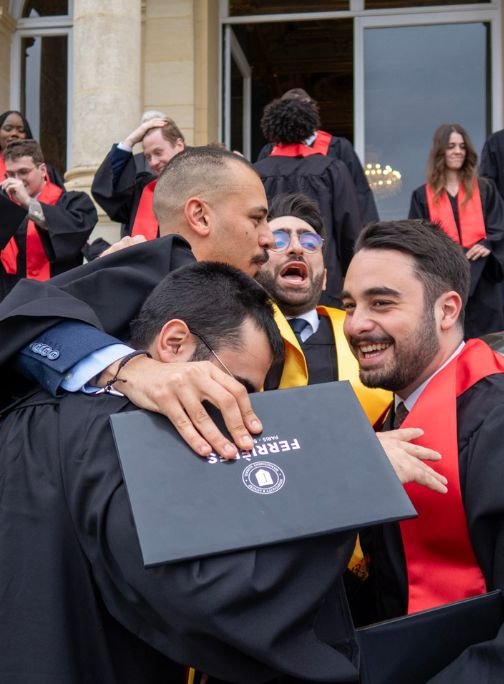


What makes Ferrières different is its proximity and support. Whether it's a teacher or a principal, everyone is there when you need them. You're never alone when facing difficulties: you're supported and guided toward solutions.
M.,
Diplomeo Review
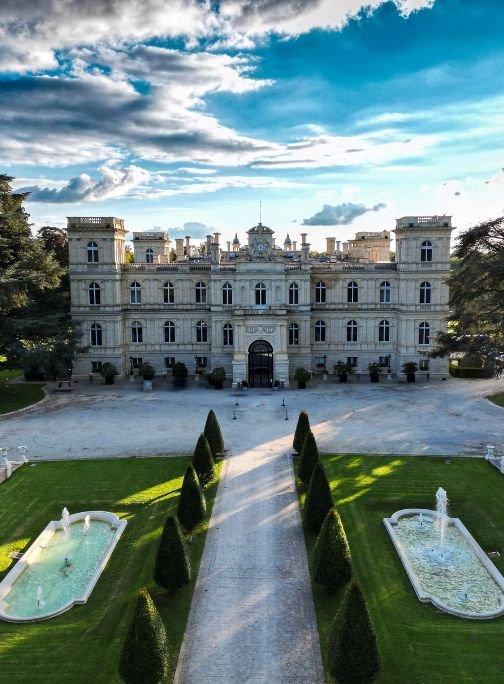
Arriving just as the school was celebrating its second anniversary, I spent the entire Bachelor's program with them. Three wonderful years punctuated by encounters, experiences, and professional development. Not everything is perfect, but the teams work every day to get closer to it.
M.,
Diplomeo Review
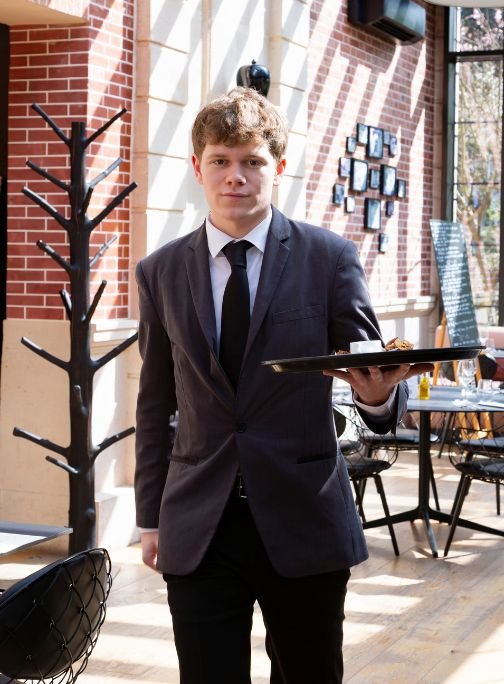
The Ferrières School was a real favorite. The teachers share their passion and experience, which adds real value to the course. Thanks to the PAP, professional integration is facilitated, with real support throughout the program.
L.,
Diplomeo Review

Great experience within the School, I appreciate the Masterclasses that we can benefit from thanks to the intervention of professionals in gastronomy and hospitality.
C.,
Diplomeo Review

I chose to enter Ferrières in September 2018 for my first year of my Bachelor's degree. The supervision is effective and the ecosystem allows us to become professionals in the various restaurants and accommodation services, which is very enriching for our future in this vast sector.
S.,
Diplomeo Review
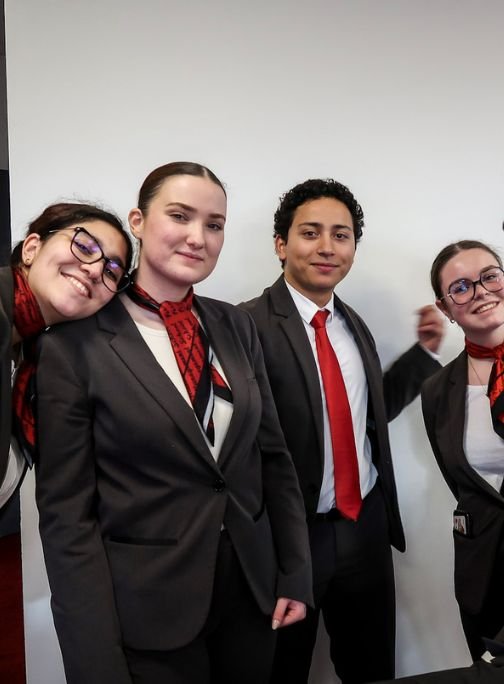
Ferrières is a real adventure, marked by three years of encounters, laughter, and learning. I thought I'd have to change, but the school simply pushes us to grow. My advice: be yourself, have fun, and give your best—here, personal excellence is the norm.
L.,
Diplomeo Review

What can I say about Ferrières? After three years at this splendid school, I realize how far I've come. I found much more than friends there: a true family. The teaching allowed me to improve, but also to mature. Ferrières, I will miss you.
M.,
Diplomeo Review
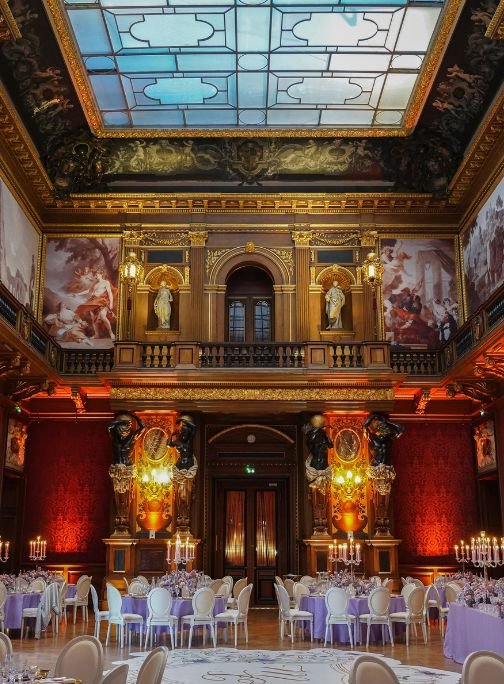
A truly enriching experience, marked by wonderful encounters, both personal and professional. Wonderful events were also organized at the château, making the journey even more memorable.
C.,
Diplomeo Review
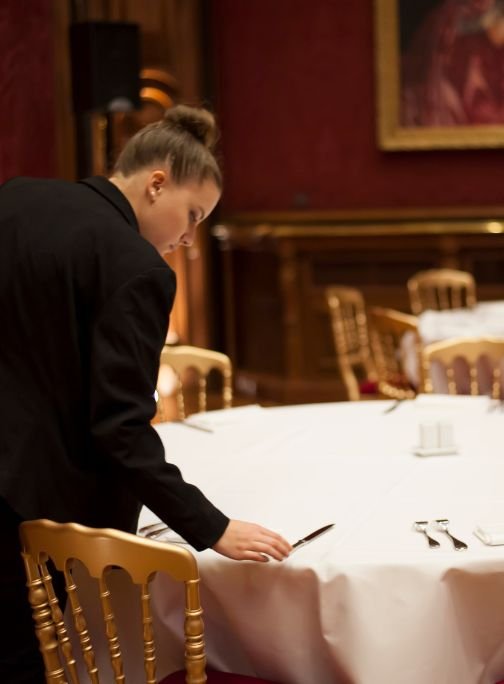
The Ferrières School is a real opportunity thanks to its unique positioning in the luxury sector. In addition to quality teaching, it offers access to prestigious events in Paris and at the château, while allowing students to concretely plan their future careers.
L.,
Diplomeo Review

I don't regret choosing Ferrières: I thrive here and learn alongside passionate professionals. The school offers real opportunities, like the Career Summit and masterclasses. The administration is attentive, and student life, driven by the Student Union, is very dynamic.
L.,
Diplomeo Review
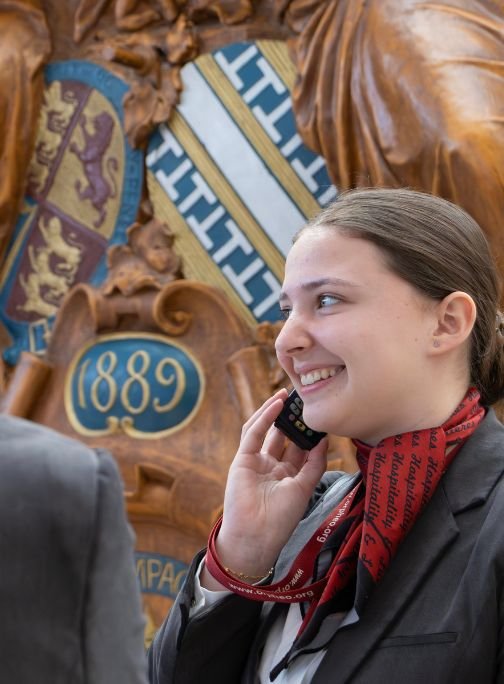
As a student at Ferrières, I highly recommend this school to anyone looking to further their education in hospitality, gastronomy, and luxury. The courses are enriching, the immersion in the ecosystem is invaluable, and I'm proud to be a part of it.
A.,
Diplomeo Review
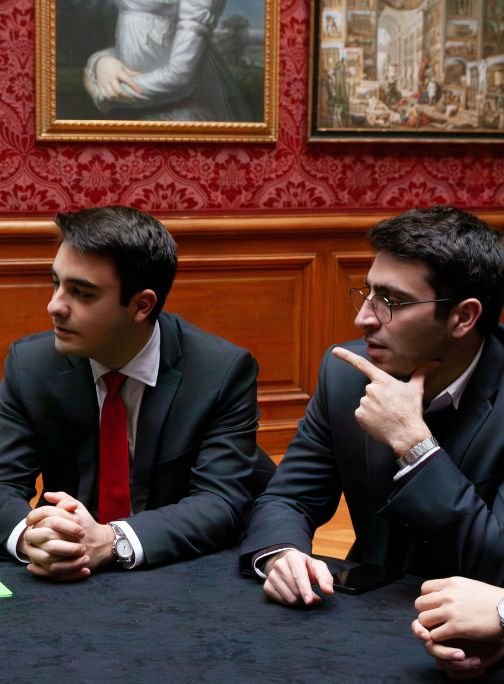
The Ferrières School has allowed me to gain skills, maturity, and rigor. Thanks to the quality of the courses and the instructors, I feel ready for the professional world. Studying at such a prestigious institution is a real opportunity.
M.,
Diplomeo Review

As a Master's student, I recommend this school to those who want to fully invest themselves and learn alongside professionals to grow, both personally and professionally.
M.,
Diplomeo Review
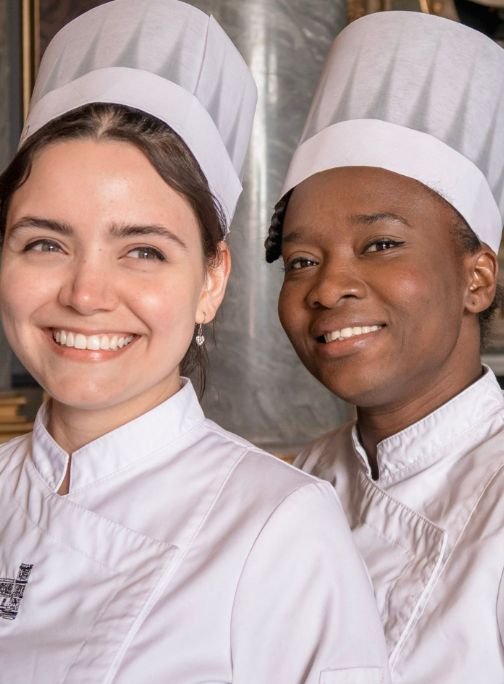
I don't regret my choice: the courses live up to the school's prestige, and I'm proud to be part of the Ferrières adventure. Discovering the restaurant and gastronomy professions is both ambitious and exciting.
A.,
Diplomeo Review
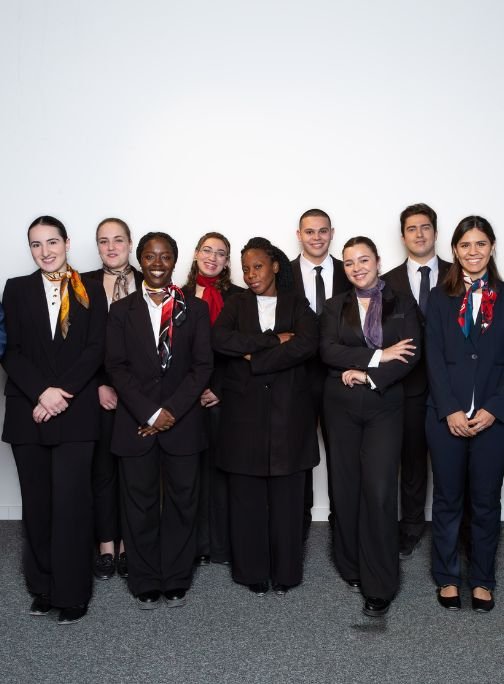
After two years in Ferrières, I am completely satisfied with my choice. The training is comprehensive, the setting is ideal, and the internships at the Meliá Paris La Défense and the St. Regis Bora Bora were very enriching.
A.,
Diplomeo Review
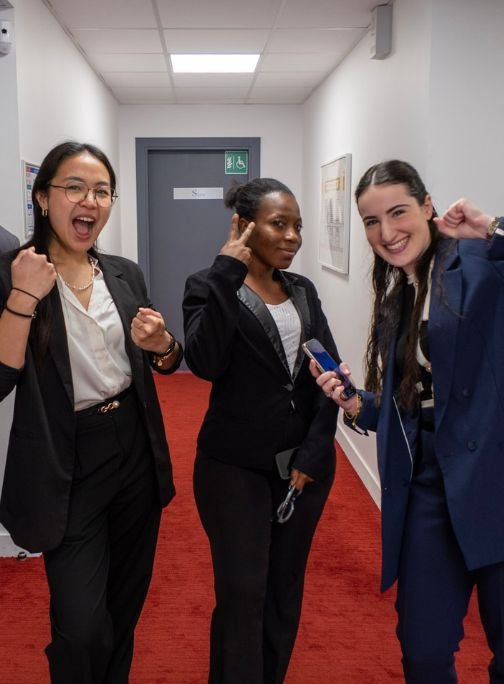
An ambitious experience that I don't regret. A gateway to a promising career! A school unlike any other in the world.
M.,
Diplomeo Review
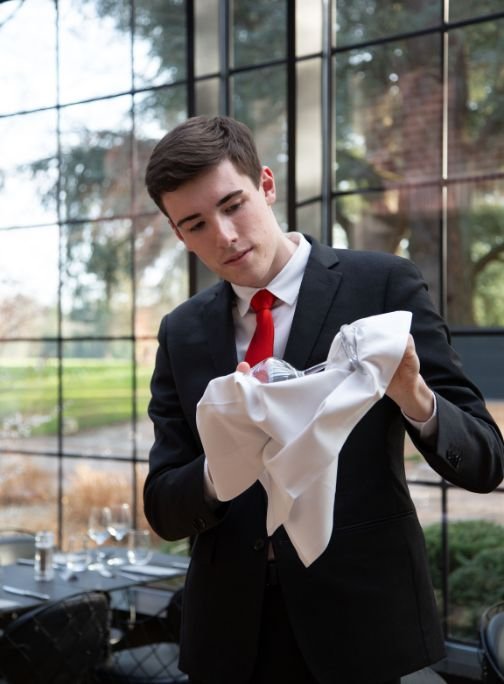
The Ferrières School is ideal for developing skills in luxury hospitality and gastronomy. I highly recommend it!
L.,
Diplomeo Review
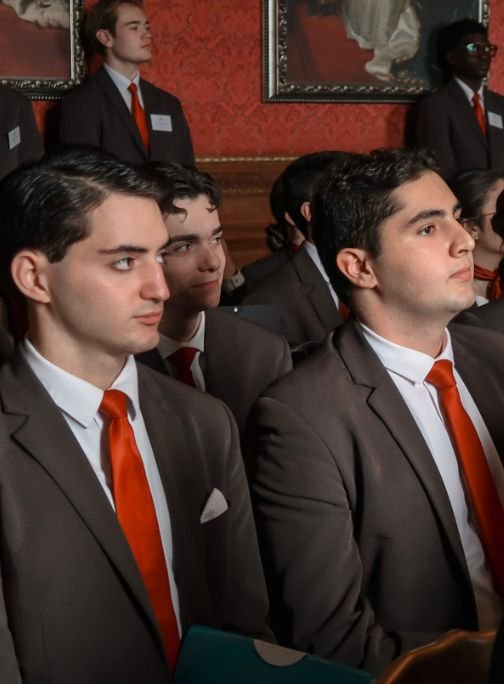
I'm enjoying my experience at Ferrières, which is supported by an ideal setting and passionate teachers. The school, young and growing, offers a solid network for joining major institutions in France and abroad.
E.,
Diplomeo Review
Having been a student at Ferrières for three years, I can say that it's a school of life that has taught me a lot, both professionally and personally. The professors are all experienced professionals. I don't regret my choice.
C.,
Diplomeo Review


