Open Day on the 9th of March
from 10:00 to 14:00
Register

In the face of major environmental and social challenges, hospitality can no longer rely on traditional models alone. At L’École Ferrières, these transformations are embedded in teaching, particularly through the master’s-level course Sustainable Tourism and Social Responsibility, designed and delivered by Esther Binkhorst.
Through this course, Esther Binkhorst encourages students to fundamentally rethink the role of tourism and hospitality in contemporary society, moving beyond purely operational approaches to embrace human, social, and sustainable dimensions.
The course aims to train responsible leaders capable of designing resilient, inclusive, and meaningful tourism models aligned with the United Nations Sustainable Development Goals (UN, 2015).
Under Esther Binkhorst’s guidance, students develop a strategic vision of tourism as a driver of positive transformation for destinations, organisations, and communities.

The course begins with an immersive day focused on the fundamentals of sustainable tourism, applied to both destinations and businesses. Students are quickly invited to explore the core of hospitality: the guest experience.
By analysing memorable personal experiences — both positive and negative — students understand how experiences engage the senses, trigger emotions, shape feelings, and influence behaviours. This sensory and emotional chain plays a decisive role in travellers’ choices and loyalty.
The course challenges the traditional perception of the “guest” and proposes a forward-looking approach to hospitality, rooted in sustainability, inclusion, and purpose. Guided by Esther Binkhorst, students examine how travellers’ expectations are evolving towards value-driven experiences that contribute to personal growth and the common good.

Social responsibility is a central pillar of the course. Esther Binkhorst highlights that, according to the World Health Organization, around 15% of the global population lives with a form of disability or functional diversity (WHO, 2011).
When tourism offerings are not designed inclusively, these groups are excluded both socially and economically.
Students are encouraged to question how hospitality can be considered responsible if only part of the population can truly access it, and why universal design is not yet a fundamental component of hospitality and tourism education.
To deepen these reflections, Esther Binkhorst leads immersive exercises, placing students in the position of travellers with disabilities: moving with eyes covered, simulating hearing impairments, or analysing wheelchair accessibility. These powerful experiences demonstrate how environments can either empower or exclude guests.

The second part of the course focuses on responsible innovation. Working in teams, students design sustainable experiences for Paxton Paris, creating value for guests, hotel teams, the Ferrières academic community, and the environment. The projects reflect both creativity and strong professional maturity.
Each student also completes an individual reflective assignment, including a 360° self-assessment of their behaviours as a citizen, student, and traveller. Guided by Esther Binkhorst, they then articulate their vision of a responsible professional future.
The conclusion is clear: lasting change always begins with oneself.
All around the world, our Alumni share what Ferrières has brought to their journey: strong skills, an audacious vision, and above all, an unforgettable human adventure. Their testimonials embody what it means to learn, to dare, and to grow in a school like no other.
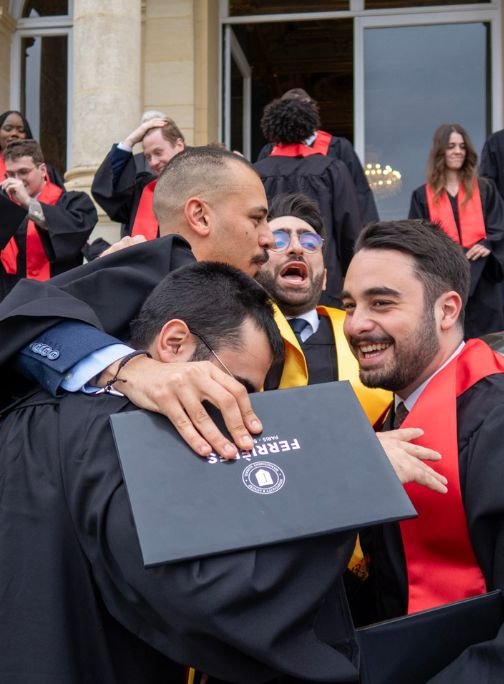


What makes Ferrières different is its proximity and support. Whether it's a teacher or a principal, everyone is there when you need them. You're never alone when facing difficulties: you're supported and guided toward solutions.
M.,
Diplomeo Review
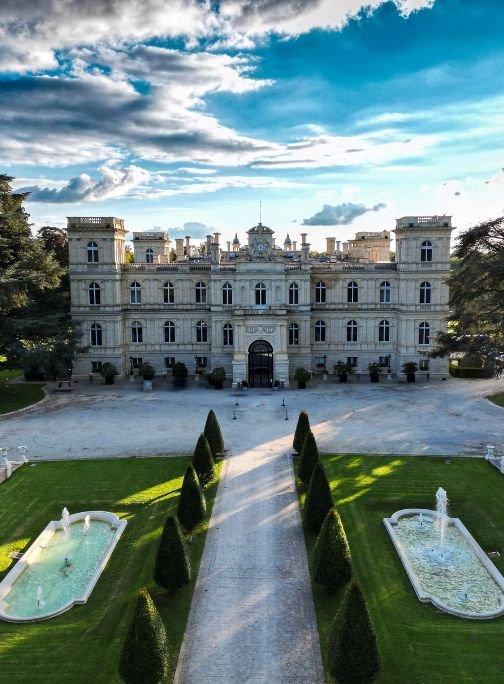
Arriving just as the school was celebrating its second anniversary, I spent the entire Bachelor's program with them. Three wonderful years punctuated by encounters, experiences, and professional development. Not everything is perfect, but the teams work every day to get closer to it.
M.,
Diplomeo Review
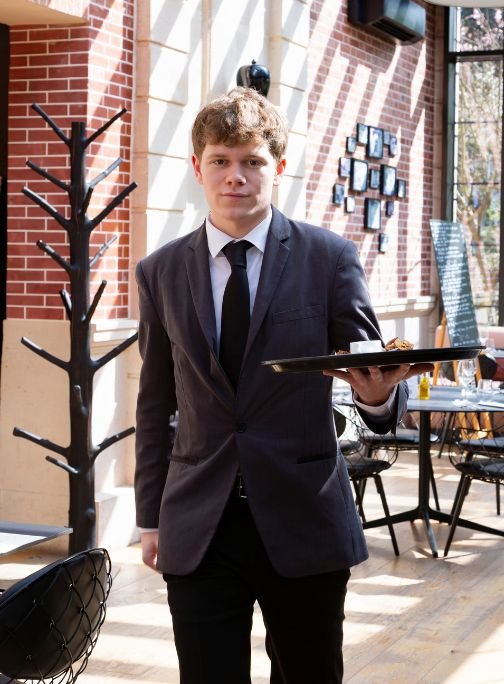
The Ferrières School was a real favorite. The teachers share their passion and experience, which adds real value to the course. Thanks to the PAP, professional integration is facilitated, with real support throughout the program.
L.,
Diplomeo Review

Great experience within the School, I appreciate the Masterclasses that we can benefit from thanks to the intervention of professionals in gastronomy and hospitality.
C.,
Diplomeo Review

I chose to enter Ferrières in September 2018 for my first year of my Bachelor's degree. The supervision is effective and the ecosystem allows us to become professionals in the various restaurants and accommodation services, which is very enriching for our future in this vast sector.
S.,
Diplomeo Review
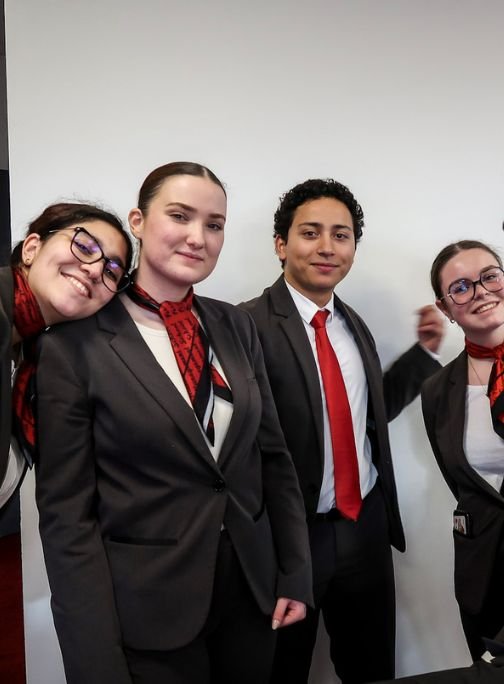
Ferrières is a real adventure, marked by three years of encounters, laughter, and learning. I thought I'd have to change, but the school simply pushes us to grow. My advice: be yourself, have fun, and give your best—here, personal excellence is the norm.
L.,
Diplomeo Review

What can I say about Ferrières? After three years at this splendid school, I realize how far I've come. I found much more than friends there: a true family. The teaching allowed me to improve, but also to mature. Ferrières, I will miss you.
M.,
Diplomeo Review
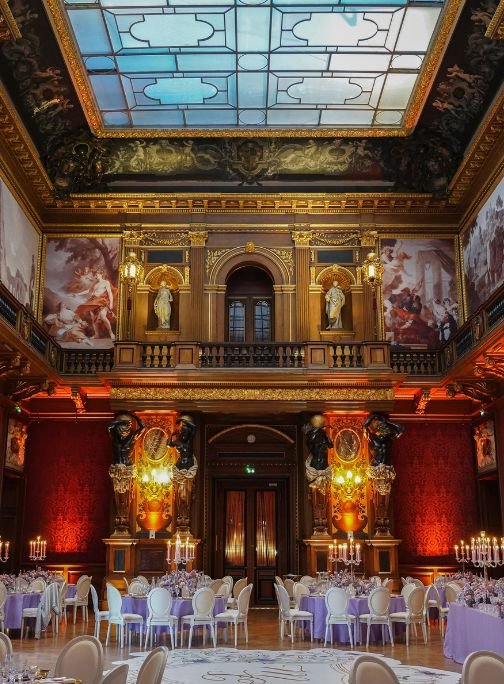
A truly enriching experience, marked by wonderful encounters, both personal and professional. Wonderful events were also organized at the château, making the journey even more memorable.
C.,
Diplomeo Review
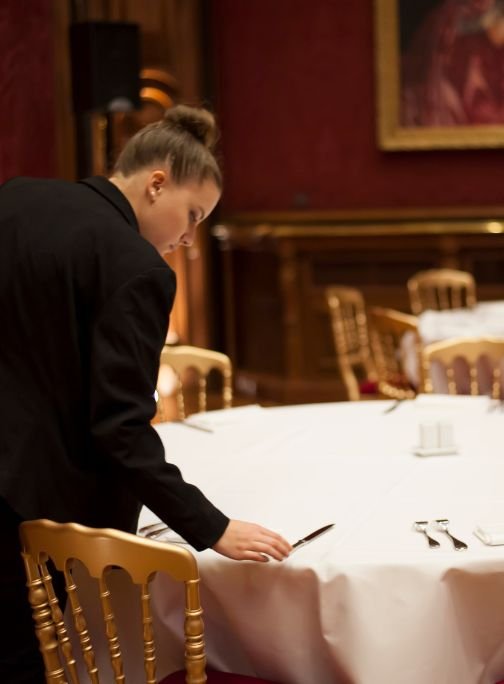
The Ferrières School is a real opportunity thanks to its unique positioning in the luxury sector. In addition to quality teaching, it offers access to prestigious events in Paris and at the château, while allowing students to concretely plan their future careers.
L.,
Diplomeo Review

I don't regret choosing Ferrières: I thrive here and learn alongside passionate professionals. The school offers real opportunities, like the Career Summit and masterclasses. The administration is attentive, and student life, driven by the Student Union, is very dynamic.
L.,
Diplomeo Review
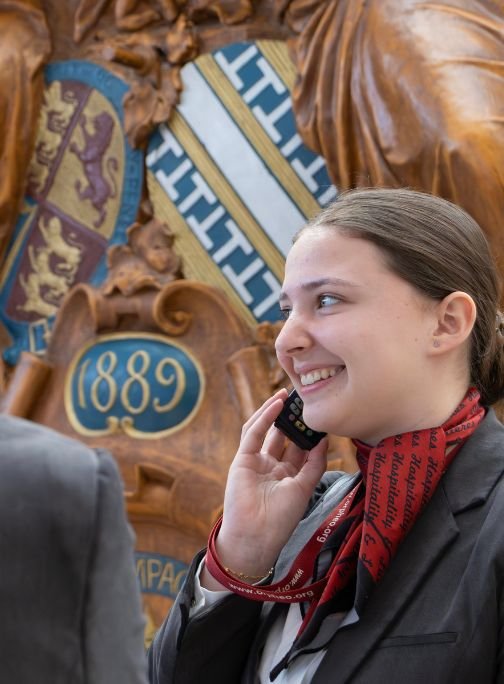
As a student at Ferrières, I highly recommend this school to anyone looking to further their education in hospitality, gastronomy, and luxury. The courses are enriching, the immersion in the ecosystem is invaluable, and I'm proud to be a part of it.
A.,
Diplomeo Review
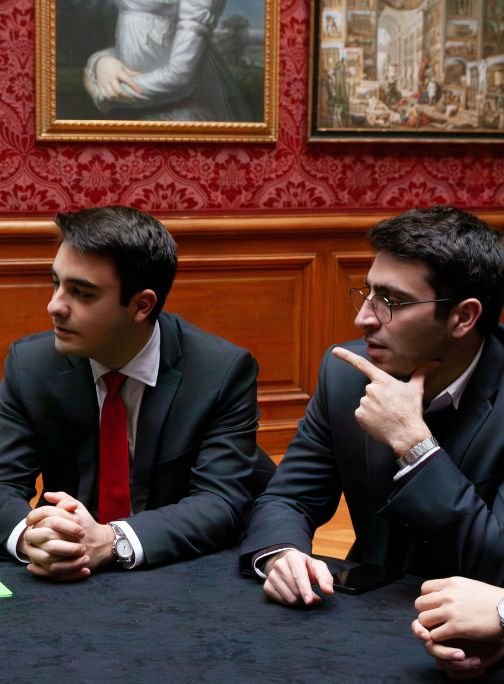
The Ferrières School has allowed me to gain skills, maturity, and rigor. Thanks to the quality of the courses and the instructors, I feel ready for the professional world. Studying at such a prestigious institution is a real opportunity.
M.,
Diplomeo Review

As a Master's student, I recommend this school to those who want to fully invest themselves and learn alongside professionals to grow, both personally and professionally.
M.,
Diplomeo Review

I don't regret my choice: the courses live up to the school's prestige, and I'm proud to be part of the Ferrières adventure. Discovering the restaurant and gastronomy professions is both ambitious and exciting.
A.,
Diplomeo Review
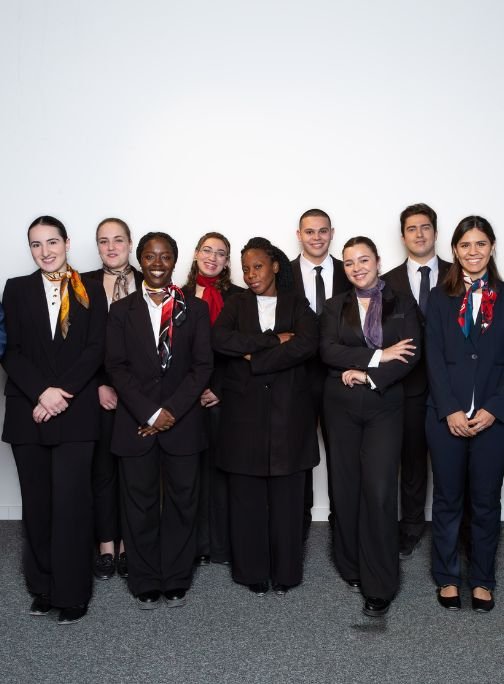
After two years in Ferrières, I am completely satisfied with my choice. The training is comprehensive, the setting is ideal, and the internships at the Meliá Paris La Défense and the St. Regis Bora Bora were very enriching.
A.,
Diplomeo Review
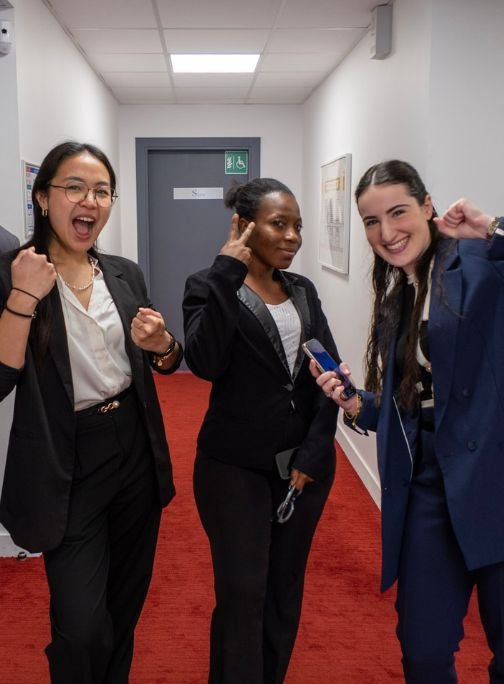
An ambitious experience that I don't regret. A gateway to a promising career! A school unlike any other in the world.
M.,
Diplomeo Review
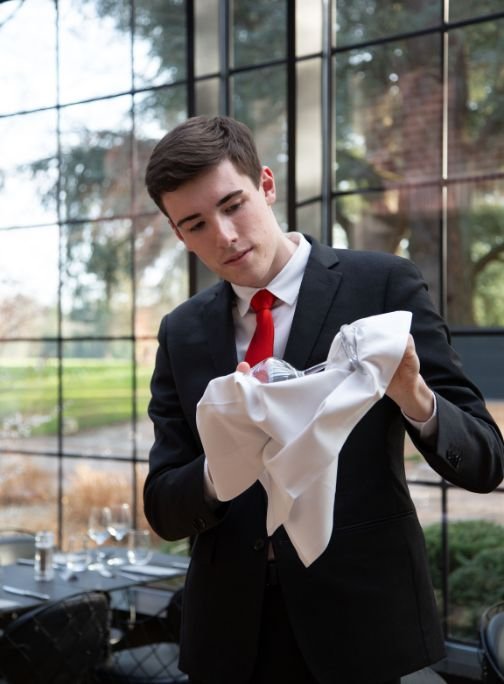
The Ferrières School is ideal for developing skills in luxury hospitality and gastronomy. I highly recommend it!
L.,
Diplomeo Review
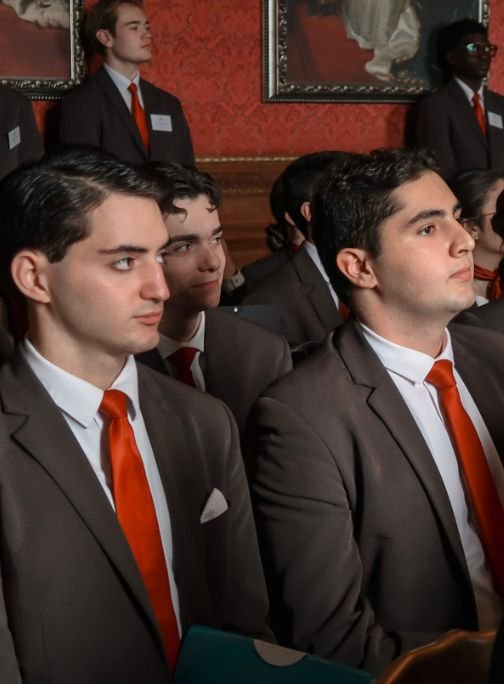
I'm enjoying my experience at Ferrières, which is supported by an ideal setting and passionate teachers. The school, young and growing, offers a solid network for joining major institutions in France and abroad.
E.,
Diplomeo Review
Having been a student at Ferrières for three years, I can say that it's a school of life that has taught me a lot, both professionally and personally. The professors are all experienced professionals. I don't regret my choice.
C.,
Diplomeo Review


